Use of Solitary Confinement Grows in U.S. Immigrant Detention Centers
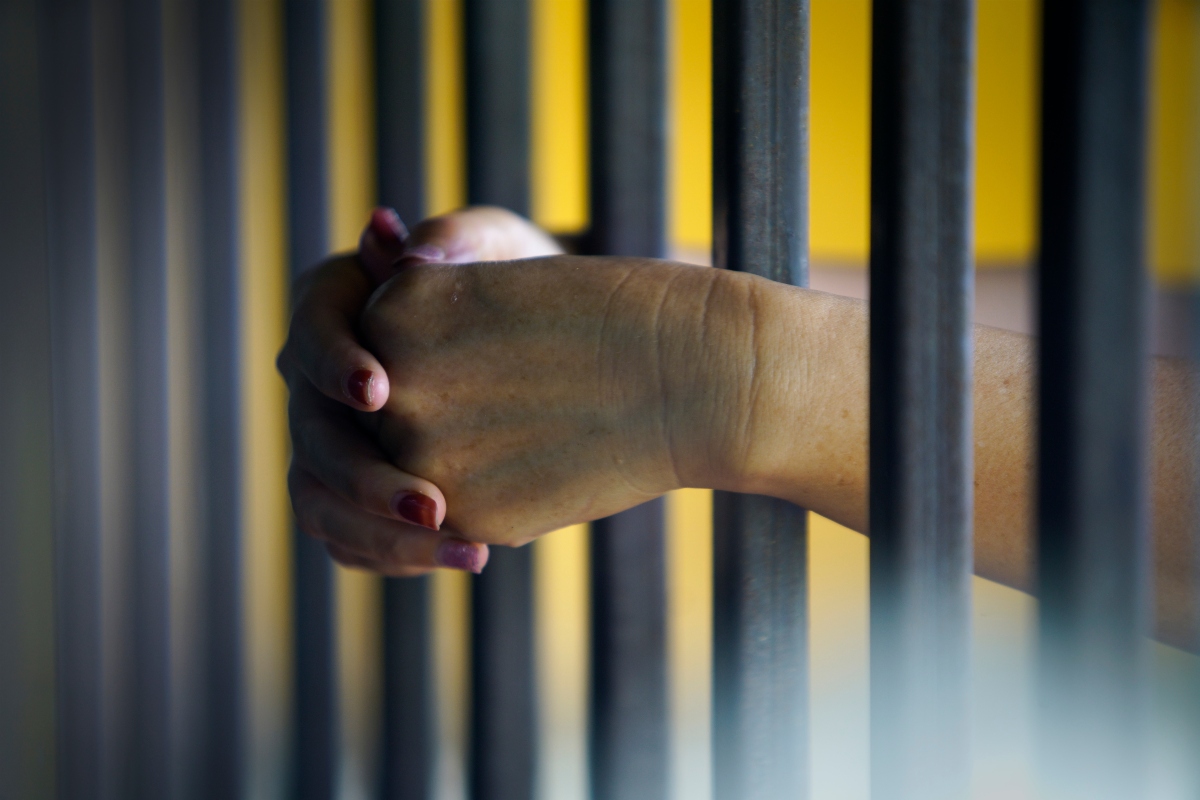
Immigrant solitary confinement by ICE is on the rise in U.S. detention centers, with detainees spending more than 40 days in isolation.
Posted on 18/09/2025 at 16:15






Publicado el 18/09/2025 a las 16:15
- Solitary confinement rises among immigrant detainees
- Vulnerable groups spend longer in isolation
- Experts warn of psychological harm
According to USA Today, immigrant detention centers in the United States are increasingly relying on solitary confinement, new data from human rights groups and Harvard researchers revealed.
The report shows that thousands of immigrants have been placed in segregation under the Biden administration — and that the practice continues at high levels under President Donald Trump.
The use of isolation has raised alarms among public health experts and human rights advocates due to its documented risks to both mind and body.
Dr. Katherine Peeler, medical advisor for Physicians for Human Rights and an assistant professor at Harvard, warned: “The more data is released, the worse we realize it is.”
Increase in Detentions Under Trump

The Trump administration has drastically expanded ICE detention capacity amid its immigration crackdown.
Currently, about 60,000 people are in ICE custody daily, compared to fewer than 40,000 during the same period last year.
The report indicates that along with the increase in total detainees, the proportion placed in isolation has also grown.
This trend is especially concerning for so-called “vulnerable populations,” who spend on average twice as long in solitary confinement compared to other detainees.
Definition and Scope of Solitary Confinement

ICE did not respond to requests for comment on the findings.
Officially, the agency claims it does not use “immigrant solitary confinement,” though it acknowledges “segregation” as a way to separate individuals from the general population.
Researchers and doctors argue that this segregation meets the definition of solitary confinement: locked cells where detainees have no control over their environment.
Vulnerable detainees include pregnant and nursing women, elderly people, individuals with severe medical conditions, and those with mental health issues.
Immigrant Solitary Confinement Surpasses 40 Days
“Desperate”: under Trump, ICE locks more immigrants in solitary cells https://t.co/tGD8zlsrJP
— Grettel (@GrettelRei) September 17, 2025
Others placed in isolation include people at risk because of their identity, or those who have been victims of abuse or sexual assault.
The report estimates that in 2024, the average length of isolation for these populations exceeded 40 consecutive days, compared to fewer than 20 in 2022.
That figure has remained high during the early months of the current administration despite mounting criticism.
The ACLU points out that if an immigrant spends more than 15 days in solitary confinement, this can be considered torture under international standards.
Psychological and Physical Consequences
ICE defends segregation as “a serious, last-resort measure,” but decades of research highlight its severe consequences.
Prolonged isolation can trigger paranoia, depression, post-traumatic stress disorder, and, in extreme cases, suicide.
Physically, chronic illnesses can worsen under such restrictive conditions.
A 2021 phone survey of 203 detained immigrants found that more than half experienced depression or PTSD during their confinement.
Testimonies Reveal Mental Health Impact
Nearly 45% reported having been placed in isolation during detention, according to a study published in the Journal of Migration and Health.
The Trump administration has pushed for a massive expansion of the U.S. immigrant detention system — already the largest in the world.
With billions in funding approved by Congress, ICE plans to add 80,000 beds, raising daily detention capacity to over 140,000.
Eunice Hyunhye Cho, senior counsel for the ACLU’s National Prison Project, warned: “We’ve heard from detainees about the worsening conditions.”
Isolation as a Barometer of the System
The organization argues that solitary confinement functions as a barometer of stress within the system, particularly in facilities with deteriorating resources.
Its use intensifies when officers try to control problems or impose discipline in overcrowded conditions.
According to Arevik Avedian, co-author of the report and a Harvard Law School professor, isolation had already been on the rise since 2021.
The analysis, based on Freedom of Information Act data, covered the period from April 2024 to May 2025.
 Related post